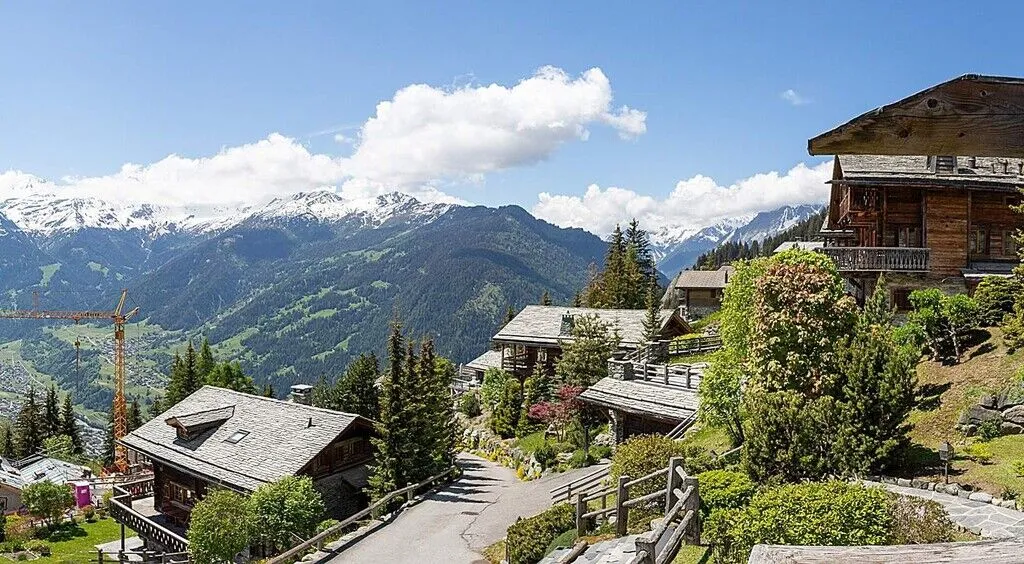
Understanding the Modern Ski Chalet: More Than Just a Mountain Retreat
For generations, the words “ski chalet” have evoked an image of rustic timber lodges nestled in snow-covered valleys, smoke curling from the chimney, and skiers returning from the slopes to a roaring fire. Yet today, the ski chalet has evolved far beyond its pastoral origins. It has become a cornerstone of Alpine property investment — a unique blend of lifestyle, architecture, and financial opportunity.
To understand what a ski chalet is in the modern sense is to understand the changing face of the Alps themselves. It’s no longer just a seasonal refuge for skiers; it’s a year-round home, a high-performing investment asset, and a symbol of European luxury that combines tradition with contemporary design.
From Courchevel to Verbier, Chamonix to Kitzbühel, ski chalets now occupy the top tier of international real estate portfolios. For potential buyers and investors, grasping their history, function, and current market dynamics provides a gateway into one of the world’s most distinctive property sectors.
The Origins of the Ski Chalet
The term “chalet” comes from the French-Swiss word meaning “shepherd’s hut.” Originally, these wooden structures were built in Alpine regions to shelter livestock and farmers during harsh winters. Their design — pitched roofs, wide eaves, and heavy timber beams — was dictated by the environment, offering insulation and durability against snow and wind.
It wasn’t until the late 19th and early 20th centuries, as Alpine tourism flourished, that chalets began their transformation into leisure homes. Early British and French mountaineers discovered the Alps not only as a sporting playground but as a lifestyle. By the mid-20th century, purpose-built ski resorts like Megève, Courchevel, and Verbier had turned the chalet into a symbol of mountain glamour.
Today, the chalet represents an intersection of heritage and innovation — a structure rooted in simplicity but elevated by design, craftsmanship, and technology. It is both nostalgic and progressive: a home that connects modern life to nature’s rhythm.
Defining a Ski Chalet Today
In its modern incarnation, a ski chalet is a private residence — either standalone or part of a managed development — designed to combine luxury living with access to skiing and mountain leisure.
While traditional chalets remain popular for their character and craftsmanship, new-build chalets have redefined the category. They incorporate state-of-the-art amenities such as:
Underfloor heating and geothermal systems
Smart-home automation
Spa facilities (saunas, hammams, swimming pools)
Home cinemas and wine cellars
Panoramic terraces with mountain views
The average luxury chalet today bears little resemblance to its agrarian ancestor. In prime resorts, it is more akin to a private alpine hotel — offering personal space, staff accommodation, and concierge-style service.
Architectural Style and Design Principles
Architecture remains central to the ski chalet’s appeal. Across the Alps, local planning authorities enforce strict guidelines to preserve the mountain aesthetic. This has created a visual continuity that adds value and protects long-term appeal.
Traditional Chalets
These follow classic Savoyard or Tyrolean design, using local stone and aged larch or spruce. Interiors are warm, with exposed beams, natural fabrics, and open fireplaces. They exude authenticity and are highly prized in heritage-conscious markets such as Megève or Kitzbühel.
Contemporary Chalets
Modern chalets reinterpret tradition through minimalist lines, glass façades, and open-plan spaces. Developers in resorts like Verbier and Zermatt have adopted a “mountain modernism” aesthetic, combining natural materials with bold geometry.
Eco-Chalets
Sustainability is reshaping chalet design. Many new projects feature solar panels, heat pumps, and reclaimed materials. Resorts like Alpe d’Huez and Les Gets now encourage low-carbon construction, appealing to buyers who value environmental responsibility alongside comfort.
This architectural evolution has transformed the chalet from a mere building into an expression of identity — one that blends craftsmanship, sustainability, and luxury.
The Financial Perspective: A Resilient Asset Class
From an investment standpoint, ski chalets occupy a rare niche: tangible assets in finite supply within markets defined by exclusivity.
According to data from Alpine real estate agencies, property prices across prime resorts have grown steadily — averaging 3–6 per cent annual appreciation over the past decade. The most coveted chalets, particularly in locations with reliable snow and international prestige, have seen even stronger performance.
Courchevel 1850: €25,000–€35,000 per m²
Verbier: CHF 20,000–CHF 40,000 per m²
Méribel: €13,000–€20,000 per m²
Zermatt: CHF 15,000–CHF 25,000 per m²
Les Gets / Alpe d’Huez: €8,000–€14,000 per m²
What underpins this performance is scarcity. Strict building regulations, geographical limits, and growing demand from global buyers ensure supply remains tight. As a result, chalets tend to hold or increase their value even when wider property markets fluctuate.
Rental Yields and Income Potential
Beyond appreciation, ski chalets can generate attractive rental income — especially in dual-season resorts.
Luxury chalets in prime locations achieve gross annual yields of 3 to 5 per cent, with top-tier properties performing even higher during strong winter seasons.
During peak holiday weeks — Christmas, New Year, and February — weekly rents for luxury chalets often reach impressive levels:
Chamonix or Méribel: €10,000–€20,000 per week
Courchevel 1850: €30,000–€100,000 per week
Verbier: CHF 25,000–CHF 80,000 per week
Increasingly, resorts are extending their appeal beyond skiing. Summer tourism — hiking, mountain biking, wellness retreats — provides a second rental season, adding an estimated 15–25 per cent to annual occupancy rates.
Professional management companies have refined this business model, offering fully managed services that cover bookings, maintenance, and concierge operations. This turn-key approach allows investors to enjoy both convenience and income.
Ownership Structures and Legal Framework
Owning a ski chalet varies by country, with each Alpine nation having distinct legal frameworks and tax systems.
France
France remains the most popular destination for British and European buyers. Ownership is straightforward, though transactions are subject to notary oversight and property taxes. Non-residents can benefit from VAT rebates (20%) on new-build properties if they participate in rental schemes.
Switzerland
Swiss property markets are regulated by the Lex Koller law, which restricts foreign ownership to designated tourist zones. While this limits supply, it also preserves long-term value. Purchase processes are highly structured, with strict financial verification.
Austria
Austria allows non-resident ownership but regulates “second home” designations. Chalets often fall under “tourist use” categories, requiring partial rental during the year. Investors benefit from stable pricing and high-quality infrastructure.
Italy
Italian chalets, particularly in the Dolomites and Aosta Valley, are gaining popularity. Foreign buyers can purchase freely, though transaction costs (typically 7–10 per cent) must be factored into investment planning.
Each jurisdiction rewards professional legal and financial advice — essential for international investors navigating ownership rules, inheritance laws, and local taxes.
Why Investors Buy Ski Chalets
The motivations behind chalet ownership extend well beyond yield. For many investors, the purchase represents a strategic diversification — part financial, part lifestyle, part legacy.
Asset Security:
The physicality and scarcity of Alpine property make it a hedge against inflation and market volatility.
Lifestyle Investment:
Unlike traditional assets, a chalet offers direct enjoyment — a place for family gatherings, recreation, and wellness.
Cultural Prestige:
Alpine resorts embody a global luxury identity. Ownership confers access to an elite network of locations and experiences.
Generational Value:
Chalets often become multi-generational homes, blending personal heritage with financial continuity.
In essence, a ski chalet is both an emotional and economic asset — one that pays dividends in experience as much as in returns.
The Modern Buyer Profile
The profile of today’s chalet buyer has shifted significantly. While traditional European families remain key, a new generation of globally mobile investors is reshaping the market.
These buyers — entrepreneurs, executives, and remote professionals — view Alpine property through the lens of lifestyle flexibility. Many work part of the year from their chalets, facilitated by high-speed broadband and hybrid living arrangements.
International demand continues to diversify. In addition to British and French buyers, there has been notable growth in interest from Scandinavia, the Middle East, and Asia, particularly for high-end, fully serviced chalets in Switzerland and France.
Developers are responding with products that merge home and hospitality — branded residences, serviced chalets, and mixed-use developments that combine ownership with resort amenities.
Sustainability: The Next Frontier
Sustainability is reshaping every aspect of Alpine living. Buyers increasingly seek chalets that reduce environmental impact without compromising luxury.
Modern eco-chalets incorporate:
Renewable energy systems (solar, hydro, or geothermal)
Natural materials sourced locally
High-efficiency insulation and glazing
Rainwater recycling and heat recovery systems
Resorts are following suit. Electric ski buses, carbon-neutral initiatives, and car-free zones are becoming standard in places like Zermatt and Les Gets.
This alignment between environmental ethics and market value is no longer optional. Properties with strong sustainability credentials tend to appreciate faster and attract more discerning buyers.
The Cost of Ownership
While the appeal of ski chalets is clear, investors must account for ongoing ownership costs. These include:
Annual taxes: Depending on the country, property and wealth taxes range from 0.3 to 1.5 per cent of the assessed value.
Maintenance: Snow clearing, heating, and upkeep average 1–2 per cent of property value per year.
Management fees: For rented properties, agencies typically charge 20–30 per cent of gross rental income.
Insurance: Premiums are higher for mountain properties due to weather exposure.
Despite these expenses, long-term gains and lifestyle benefits often outweigh operational costs, particularly when properties are well managed and strategically located.
Emerging Trends in Chalet Ownership
Hybrid Use Models
Buyers increasingly combine personal use with partial rental to offset costs. This dual-purpose approach is especially popular in new-build developments offering professional management.
Digital Nomadism
The rise of remote work has transformed the chalet from a holiday home into a semi-permanent residence. Resorts with high-speed internet and co-working facilities — such as Chamonix and Verbier — have seen rising demand.
Wellness Integration
Buyers are prioritising chalets with spa facilities, meditation spaces, and outdoor wellness amenities. The mountains have become synonymous with physical and mental well-being, influencing architectural design and marketing.
Smart Homes
Technology is now integral to the luxury chalet experience. Automated heating, lighting, and security systems provide efficiency and comfort while allowing remote control of properties.
These trends reflect a shift from seasonal luxury to holistic living — the chalet as a lifestyle anchor, not a holiday indulgence.
Risks and Considerations
While the ski chalet market is robust, investors should remain aware of key considerations:
Climate Change: Lower-altitude resorts face variable snow reliability, although this has been mitigated by snowmaking technology and diversification into summer tourism.
Liquidity: The high-value nature of chalets can mean longer sale times compared to urban properties.
Regulation: Ownership laws vary, particularly in Switzerland and Austria. Legal due diligence is essential.
Currency Exposure: Exchange rate fluctuations can affect both purchase costs and rental income for international investors.
With professional guidance and careful planning, these risks can be managed effectively — preserving the chalet’s position as one of Europe’s most stable and rewarding asset classes.
The Emotional Return on Investment
Beyond numbers, there is an intangible dimension to owning a ski chalet — one that defies conventional valuation. It lies in the silence of snowfall outside a timber balcony, in family dinners after a day on the slopes, in the sense of permanence that a mountain home provides.
This emotional return is part of what sustains the market. Buyers aren’t just acquiring property; they’re buying into a lifestyle that embodies freedom, health, and continuity.
That combination — of emotional fulfilment and financial prudence — is what makes ski chalets unique in the world of property investment.
Conclusion: The Chalet as a Modern Classic
So, what is a ski chalet? It is, ultimately, a synthesis — of heritage and innovation, recreation and return, nature and nurture.
For investors, it represents one of the last tangible assets still defined by scarcity, beauty, and tradition. For homeowners, it is a sanctuary that offers connection — to family, to the environment, and to a timeless way of living.
In an uncertain world, the ski chalet stands as a reassuring constant: elegant, enduring, and unashamedly human.
Financial Disclaimer: The information provided in this article is for general informational purposes only and does not constitute financial advice. While every effort has been made to ensure the accuracy of the content, market conditions may change, and unforeseen risks may arise. The author and publisher of this article do not accept liability for any losses or damages arising directly or indirectly from the use of the information contained herein.
Copyright 2025: skiingproperty.co.uk