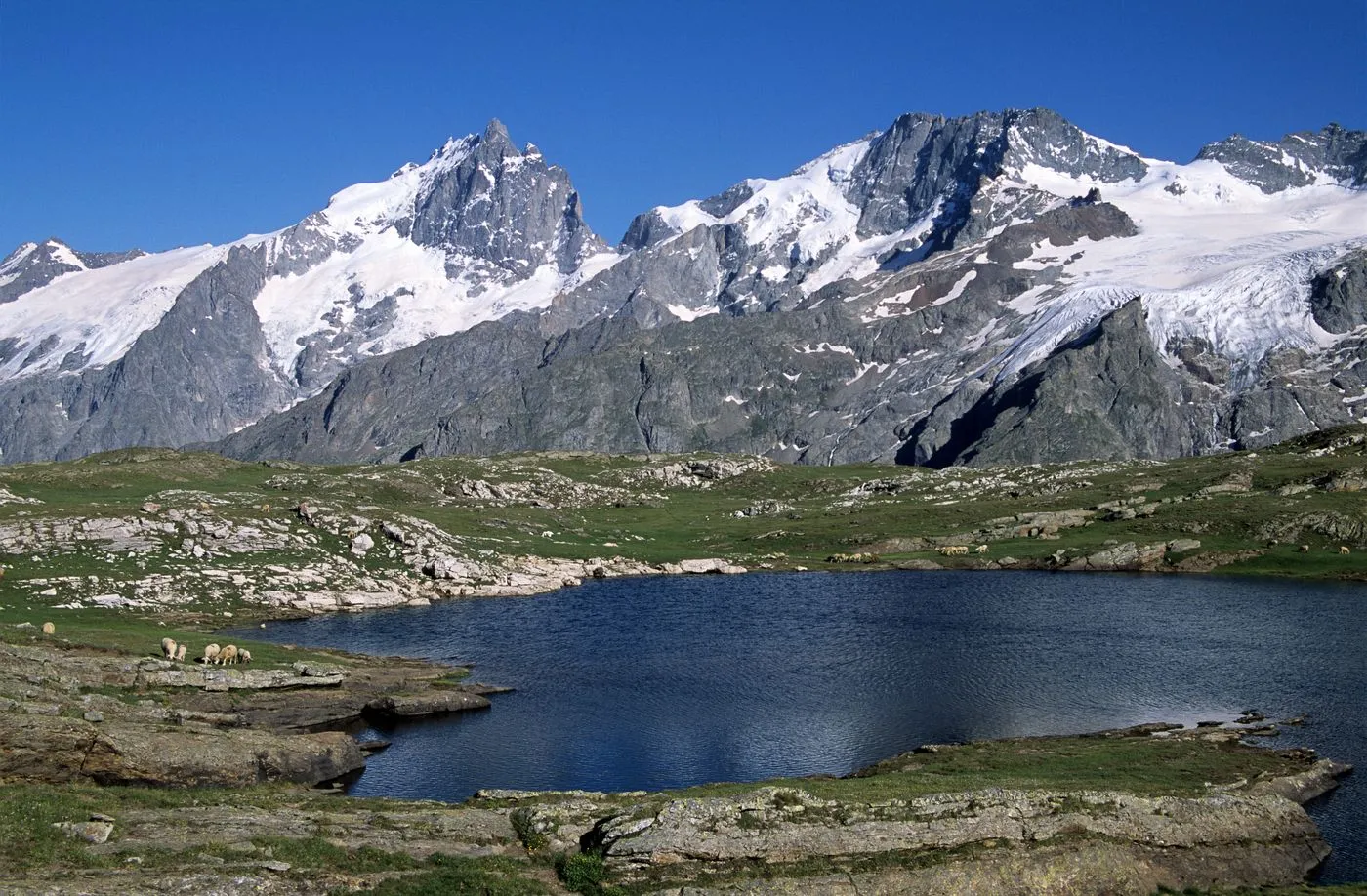
A mountain property search starts with an idea and becomes a purchase through careful planning. These seven steps are for buyers in the UK and worldwide. They do not assume that your funds are in sterling, that you live in Britain or that every purchase uses a French notaire. Adapt the examples to your destination, nationality and country of tax residence. Our current French Alps area guides provide a starting point for the resorts featured today. UK buyers can also read GOV.UK advice on buying property abroad; international buyers should consult the equivalent sources in their home country.
Step 1: Define what the mountain home is for
A ski property search begins with how you want to spend your time, not with a resort name or a beautiful photograph. Imagine an ordinary stay: breakfast facing the peaks, a short walk to the lifts, afternoons with the family and evenings around the table. Then decide whether the main aim is a private holiday base, somewhere for longer stays or a home you will sometimes let. Each answer points to a different property and a different resort.
List your essentials before you start browsing: number of bedrooms, access to bathrooms, storage for equipment, parking and the needs of children or less confident skiers. A slopeside apartment makes mornings simple, while a chalet can offer more privacy and outdoor space. Ski-in, ski-out is only valuable if the actual route suits your group, so separate a genuine piste connection from a lift nearby or a shuttle bus.
Look past the peak winter weeks too. Summer walks, cycling, good restaurants and normal village life can all give you more reasons to visit. Think about airport transfers, rail links and how easily you could manage a short break. A journey that feels fine once can grow tiring when repeated with skis and small children. The right location fits your routines in every season.
Choose the country with the same care. Ownership rights, second-home rules and residence permissions differ from market to market. Switzerland’s official ch.ch guidance explains that some foreign buyers need authorisation to purchase, and Info Norden confirms that foreign citizens can generally buy in Norway while living abroad, though some homes carry occupation conditions. For British buyers, France has no such ownership restrictions, which is one reason the French Alps remain so popular. Treat these seven steps as a planning framework and adapt the legal sequence to the country you choose.
Step 2: Build a complete budget and arrange funding
A sound budget covers far more than the advertised price. Separate the money you have, any borrowing you plan and the extra costs of buying. Ask for an itemised estimate of transfer taxes, registration, legal and notarial fees, mortgage costs and any inspections. These vary by country and property type, so a general percentage is no substitute for a figure calculated for the specific home.
Next, draw up the yearly cost of owning. Include utilities, insurance, local charges, property taxes where they apply, maintenance and shared costs. Mountain homes can also need snow clearance, contributions to access roads or a local manager while you are away. For an apartment, read the building’s accounts and plans for major works; for a chalet, allow for full responsibility for the exterior. A comfortable purchase leaves room for these recurring bills.
If you need a mortgage, speak to suitable lenders or an authorised adviser early. Income earned abroad, residency, age, existing borrowing and the intended use of the property can all affect eligibility. Compare rates, arrangement fees, terms and early-repayment conditions rather than assuming the lowest headline rate is best, and secure a realistic lending decision before making any commitment that depends on it.
Allow for currency movements if your savings or income are in pounds and the price is in euros. The budget should absorb exchange costs and changes between offer and completion. Rental income can help, but use cautious figures after management, cleaning, maintenance and tax, and keep the flexibility to enjoy your own favourite weeks instead of relying on maximum bookings. The goal is a home you can keep comfortably, not just one you can afford to buy.
Step 3: Shortlist homes and spend time in the resort
With a clear brief and budget, compare a focused selection instead of saving dozens of unrelated listings. Browse our French Alps shortlist and judge each home against the same tests: location, accommodation, access, condition, running costs and ownership arrangements. A shorter list makes the differences easier to see and gives each viewing a purpose beyond picking the nicest interior photograph.
Visit the resort and, where you can, the property itself. Try the journey from the airport or station, walk to the shops and follow the route to the lifts. Note gradients, steps and distances while imagining ski boots, children and shopping bags, and ask how the return run works for your group’s ability. Somewhere that looks close on a map can feel quite different in everyday use.
Inside, judge the layout as carefully as the finishes. Consider storage, daylight, bathroom access, heating and space to dry equipment, and picture the house both full and with only one or two people in it. Separate photographs of the property from shared resort views, and ask which furniture and appliances are included. Good presentation should support, not replace, a real understanding of the accommodation.
Research how the resort works as a whole: terrain for different abilities, lift links, snowmaking, seasonal opening and summer activities. Altitude and aspect help explain a location, but neither guarantees conditions for a particular week. Talk to local owners or managers about everyday routines. The most useful viewing leaves you with a clear sense of both the home and the life around it.
Step 4: Appoint local professionals and understand the asset
Put the right advisers in place before committing. GOV.UK’s guidance on buying overseas recommends independent legal advice from someone qualified and experienced in the relevant country, and independent translation if you are not confident in the language. Ask each adviser to explain their role, fees and responsibilities. In a notarial system, clarify exactly what the notary checks and whether separate advice is sensible to protect your interests.
Your lawyer should confirm who owns the property, whether the seller can transfer it and any charges, rights or restrictions that affect it. Ask about planning permissions, approved residential or holiday use and rights of access. For an apartment, understand the co-ownership structure, building rules and liabilities; for rural or mountain land, pay close attention to boundaries and rights over roads or neighbouring plots. These checks form the legal foundation of the purchase.
Make sure the permitted use matches your plans. Short-term letting, second-home occupation and foreign ownership may be regulated differently from ordinary residential use: Switzerland requires authorisation for many non-resident buyers, and some Norwegian homes carry a residence obligation. Buying a property also does not give you the right to live in a country indefinitely, and British buyers in France remain subject to the Schengen 90 in 180 day rule without a visa. Resolve immigration separately if relocation is part of the plan.
Arrange a suitable survey of the building’s condition and review any required reports, diagnostics or warranties. For new-build or off-plan purchases, examine the developer’s contractual obligations, payment protections, specification and completion arrangements, and understand how changes and delays are handled. Our ski property buying guide gives more context for these conversations. Preparation is not about complicating the search; it lets you move forward confidently with a home that suits its intended use.
Step 5: Agree the offer and read the contract before signing
An offer should reflect the property, your budget and the terms you need for the purchase to work. Discuss price together with timing, contents and any essential conditions, and put important agreements in writing. Before you submit or sign anything, ask your adviser exactly when you become legally bound and what happens if funding or another condition is not met. The answer depends on the country and the document, not its title.
Norway shows why the order matters. EiendomsMegler 1 explains that a written bid there is binding for its validity period and that acceptance creates a binding purchase agreement, so finance and documents must be understood before bidding rather than at a later contract meeting. Learn any country’s offer process before taking part in it.
France works differently. Notaires de France describes the role of preliminary agreements, deposits and conditions precedent, including properly drafted finance conditions, and the ten-day withdrawal period available to buyers of homes who sign a preliminary contract, with specific rules on when that period starts. Do not apply that protection to every asset, buyer or document, or assume another country offers anything equivalent.
Review the entire agreement, not just the page showing the price. Confirm the description of the property, completion arrangements, schedule of contents, payment instructions and who pays which costs. For an off-plan home, check the plans, specification, permitted variations and guarantees. Have unfamiliar terms translated and explained so that signing becomes a deliberate step towards ownership rather than something done because the paperwork was described as routine.
Step 6: Plan completion, protect payments and collect the keys
Your adviser or the settlement professional will coordinate outstanding conditions, funds, signing and registration. Work back from the completion date and leave time for international transfers, lender documents and identity checks. If you cannot attend, find out whether a valid power of attorney or another recognised remote-signing route is available, and follow the local process rather than a timetable borrowed from the UK.
Verify payment details independently using contact information you already trust, especially if an email claims the bank account has changed. Understand who holds the money and on what terms it can be released, keep records of every transfer and receipt and use the agreed professional route. For payments during construction, take advice on the guarantees and contractual protections before releasing funds.
Carry out a final inspection or handover suited to the transaction. Record the condition of the property, keys, access fobs, meter readings and any outstanding items, check the agreed contents are still there and learn how to report defects or snagging. New-build warranties and resale remedies differ, so ask your adviser to explain the relevant deadlines rather than assuming one protection applies everywhere.
Before the first stay, set up insurance, utilities and any management you need. Gather instructions for heating, ventilation, appliances and shared facilities, and find out how ownership will be recorded and when you will receive the paperwork. A well-organised handover turns a legal transaction into a home that is ready for your arrival.

Step 7: Shape ownership around enjoyment and good management
Once you have the keys, create a routine that makes future visits easy. Arrange cleaning, regular checks and a dependable local contact for emergencies. Understand winter precautions, access and maintenance, particularly if the house sits empty between stays. In an apartment, keep up with decisions made by the co-owners; for a chalet, plan exterior works ahead. Good organisation leaves more time for the mountains.
If you intend to let, confirm the permissions, registrations, insurance and building rules before advertising. Compare management services and understand commission, cleaning charges, limits on owner use and cancellation terms. Model net income on realistic occupancy rather than treating a busy peak week as typical, and make sure the letting plan supports your goals instead of quietly stopping you using the house when you most want to.
Talk to advisers who understand both countries about ongoing tax, record-keeping and succession. Owning abroad can create obligations even while you live in the UK, and a later sale may have its own tax consequences. Keep purchase documents, invoices and evidence of improvements in order; dealing with this early is far easier than reconstructing it years later, and it helps the home keep working for your household.
Above all, make time for the reason you bought. Find favourite walks, regular restaurants and the runs that suit your group, and visit in the quieter seasons as well as the school holidays. Success is not measured only by floor area, distance to a lift or a future sale price. It is a home that supports the experiences you value and stays comfortable to own.
Seven steps towards your own mountain home
Define the lifestyle, set the budget, experience the place, appoint local advisers, understand the commitment, organise completion and plan the years of ownership that follow. Those seven steps give a ski property search a clear shape without pretending every market follows the same rules, and they keep the property in perspective: a well-chosen home combines a beautiful setting with accommodation, access and running arrangements that genuinely work for you.
This guide draws on GOV.UK’s overseas buying guidance, Notaires de France, Switzerland’s official ch.ch information, Info Norden and EiendomsMegler 1’s guidance on buying in Norway. Use official resources alongside advice tailored to your country and property, and when you are ready, explore our French Alps area guides to see the homes we currently present.

Where to go from here
Seven steps is a structure, not a schedule; some buyers move from brief to keys in a single season, others take several winters. What matters is that each step is completed properly before the next commitment. For deeper reading, the legal process article explains the French contracts in detail, and our team is happy to help you write the first version of your brief. Official French guidance on the purchase process is available from Service Public.